How to Ask for Your First Case Study Without Making It Feel Like Homework
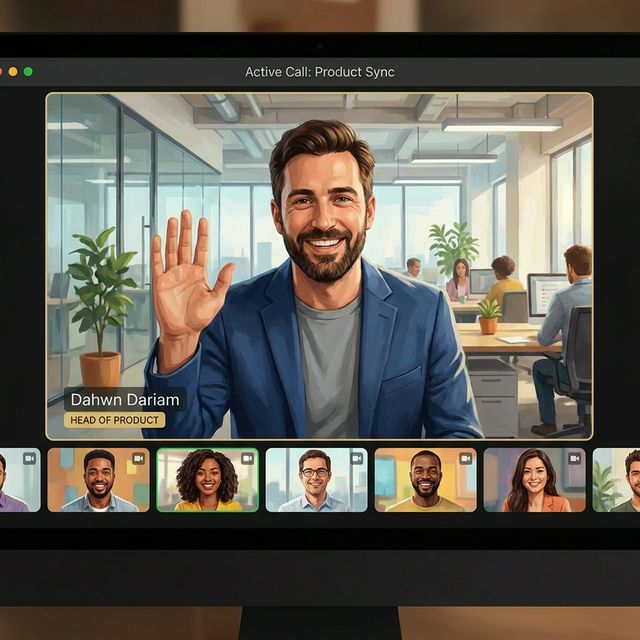
James just said the words you've been waiting to hear: "My team loves the product. Someone literally said it was the best tool we've added this year." His NPS score was a 9. Adoption across his 12-person product team is at 94%. Sprint planning time dropped 35%. He's the perfect case study. He is also managing a product team, shipping two features this quarter, preparing for a board presentation, and has told you three times that he "doesn't have a ton of bandwidth." You know what happens next if you're not careful. You'll ask. He'll say "sure, sounds good." You'll send a follow-up email with some questions. He'll mean to respond. He won't. You'll follow up. He'll feel guilty. Eventually you'll both pretend the conversation never happened. Your startup has zero public case studies. Your sales team is dying without one. Your fundraise is three months away. James is willing — the question is whether you can make this require less than 20 minutes of his time.
Why This Conversation Goes Wrong
You make the ask feel like a favor. "Would you be willing to help us out with a case study?" puts the emotional weight on James. He now has to decide whether he likes you enough to do you a favor. Frame it as mutual value and the decision becomes easier.
You ask him to write something. The moment James hears "bullet points" or "a few paragraphs about your experience," the case study is dead. He has 14 unread Slack threads and a roadmap review tomorrow. Anything that creates homework gets infinitely deprioritized.
You leave the next step vague. "Let's circle back on this" or "I'll send you some info" is a polite way of saying "this will never happen." Without a specific date and a defined action, a willing customer becomes a theoretical case study forever.
The Zero Friction Ask
The case studies that actually get published are not the ones with the most willing customers. They're the ones where the startup removed every ounce of effort from the process. The Zero Friction Ask assumes that the customer will say yes if — and only if — the commitment is under 20 minutes and they never have to write a word.
Transition from check-in to ask with context
"Those numbers you just shared — 35% faster sprint planning, 94% adoption — that's the kind of story that would help other product teams. Would you be open to us turning this into a short case study?" The transition is natural because you're reflecting his own words back to him. It doesn't feel like the call was a setup.
Eliminate effort immediately
"Here's the thing — I would write the entire thing. We'd draft it based on the data we already have and what you just told me. All you'd need to do is a 20-minute review to make sure it sounds right." Watch his posture change. The "sure, sounds good" that means nothing becomes a "wait, you'd write it?" that means yes.
Pre-solve the legal blocker
"I know your legal team might want to review it. We're happy to work directly with them so you don't have to be the middleman." This removes the last silent objection — the one James hasn't mentioned because he doesn't want to think about internal approvals. By offering to handle legal coordination, you've removed the friction he was already dreading.
Close with a specific date
"If I send you a draft next Wednesday, could you review it by Friday?" This is not a question about willingness — that's already established. This is a commitment to a date. "Wednesday draft, Friday review" is a micro-contract that converts enthusiasm into action.
The moment that changes everything
James said yes ten minutes ago. He just needs you to make it impossible to not follow through.
James's enthusiasm is genuine. He really does love the product. He really would be happy to help. But "happy to help" and "will actually do it" are separated by a valley of friction that swallows most case study requests. The psychology is simple: James makes 200 micro-decisions a day about how to spend his time. Any task without a deadline, without a clear scope, and without someone else doing the heavy lifting gets pushed to "later" — and later never comes. This isn't about James being unreliable. It's about the architecture of the ask. When you say "I'll write everything, you just review for 20 minutes, and I'll handle legal," you've transformed the ask from an open-ended commitment to a bounded, effortless action. The willingness was never the problem. The execution path was.
What to Say (and What Not To)
Instead of
"Would you be willing to do a case study for us?"
Try this
"Those numbers — 35% faster planning, 94% adoption — would help other teams like yours. Can we turn this into a short case study?"
Instead of
"Could you send over some bullet points about your experience?"
Try this
"We'd write the entire thing. All you'd do is a 20-minute review to make sure it sounds right."
Instead of
"Let me know if you're interested and we'll figure it out."
Try this
"If I send you a draft next Wednesday, could you review it by Friday?"
Instead of
"Let me know if legal is okay with it."
Try this
"We'll work directly with your legal team so you don't have to coordinate anything on your end."
The Bigger Picture
TrustRadius found that B2B buyers rank customer case studies as the #2 most influential content in purchasing decisions, behind only product demos. Yet 68% of startups at Series A have zero published case studies — not because customers wouldn't participate, but because the ask was too burdensome for busy stakeholders to follow through on.
SaaS companies with at least one published case study close enterprise deals 28% faster, according to 2024 Gong data. For startups without recognizable brand names, the case study is not marketing material — it is the sales team's single most important asset. The first case study doesn't just tell a story. It gives permission to buy.
Practice This Conversation
7 minutes · AI voice roleplay with James Okafor
Reading about this is step one. Practicing it changes everything. Sonitura lets you rehearse this exact conversation with James Okafor, a realistic AI head of product at a series b fintech company who reacts to your words in real time. It takes 7 minutes. James already said yes in his head. Practice the ask that makes the follow-through effortless.
Practice This Scenario Free →