How to Handle a Harassment Complaint When the Accused Is a Senior Leader
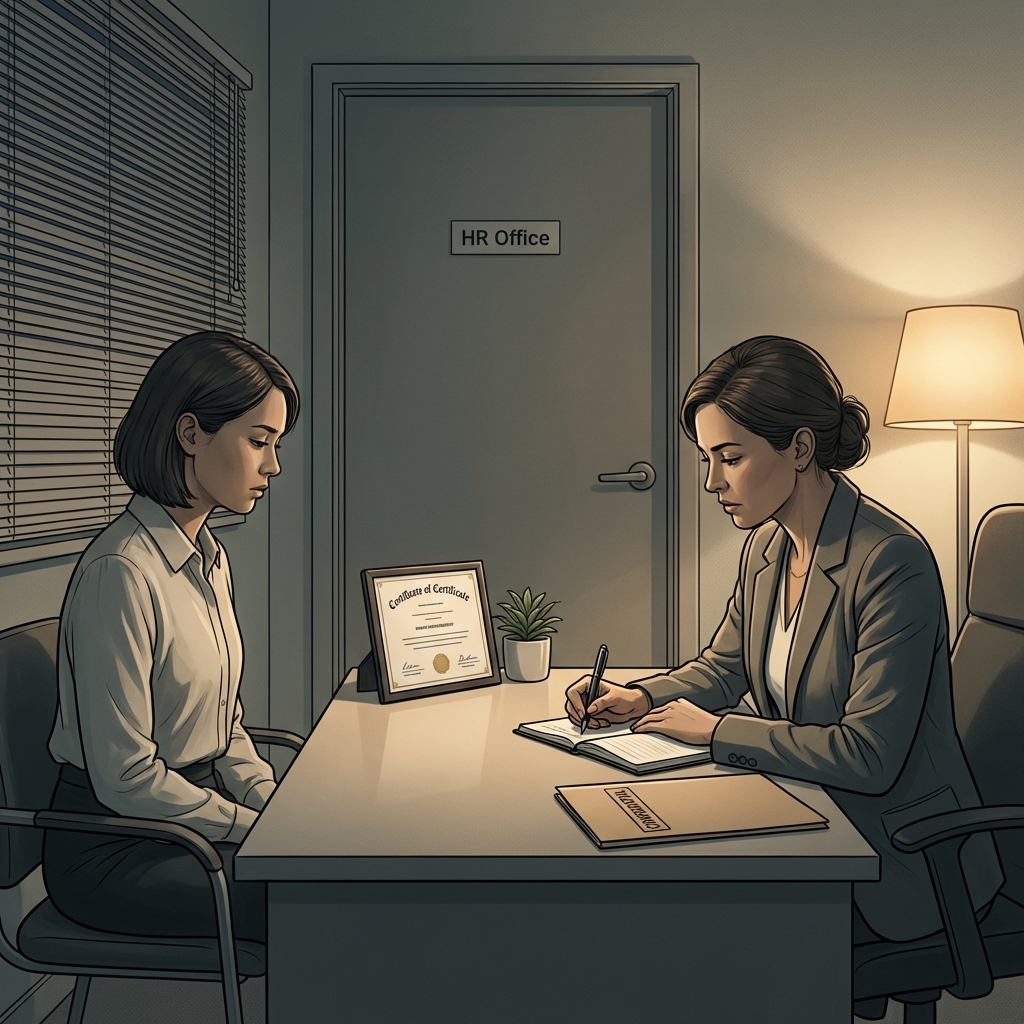
Priya is sitting in your office gripping a folder she printed at home last night. Inside are three screenshots, two email timestamps, and a handwritten timeline she reconstructed from memory at 2am. She has rehearsed the opening sentence eleven times. The first three words are still stuck in her throat. "It's about my manager." David Torres. Twelve years at the company. He runs a department. He is considered indispensable by the executive team. He calls Priya "sweetheart" in meetings. He commented on her dress in front of clients. Three weeks ago, he cornered her in the copy room and put his hand on the small of her back while asking about her weekend. Two other women left the department in the past year. Nobody asked them why. Priya is shaking. She is not sure you will believe her. She is not sure this won't make things worse. The next twenty minutes will determine whether she trusts this company enough to stay — and whether anyone else in that department ever comes forward.
Why This Conversation Goes Wrong
You start with procedure instead of presence. Pulling out the complaint form before Priya finishes her first sentence turns an act of courage into a bureaucratic process. She doesn't feel heard. She feels processed. The form can wait. Her need to be believed cannot.
You express doubt through your questions. "Are you sure that's what happened?" or "Could it have been a misunderstanding?" are sentences that sound neutral and land as accusations. Priya has already spent weeks questioning her own experience. She does not need HR to join in.
You promise outcomes you cannot control. "Don't worry, he'll be fired" or "I'll make sure this never happens again" feel reassuring in the moment and create legal liability the moment you say them. You do not control outcomes. You control process, and process is what you should promise.
You fail to address retaliation proactively. Priya's biggest fear is not that you won't believe her. It is that David will find out she reported him, and her career will end. If you don't raise retaliation protections before she asks, she will assume they don't exist.
The Safe Harbor Intake
Harassment intake is both a human conversation and a legal procedure. Most HR professionals are trained on the procedure and improvise the human part. The Safe Harbor Intake reverses that priority: create emotional safety first, then layer in the procedural elements once the employee is stable enough to process them.
Create the container
"Before you share anything, I want you to know: this conversation is confidential. I believe you came here because something happened that shouldn't have. You are not in trouble. You will not be in trouble for bringing this to me. Take as much time as you need." These four sentences do more work than any compliance training. They establish safety before the disclosure begins.
Listen without leading
Let Priya tell the story at her pace, in her order. Do not rearrange her timeline. Do not ask "But what happened first?" when she jumps between events. Trauma does not organize itself chronologically. Take notes on what she says, exactly as she says it. Paraphrasing can inadvertently change meaning.
Reflect what you heard
"I want to make sure I have this right." Read back the key events in her words. "You said he commented on your appearance in front of the Nexus client on March 3rd, and that on April 12th he cornered you in the copy room." This validates that you were listening and creates a shared record without interpretation.
Explain the process with specifics
"Here is exactly what happens next. I will open a formal investigation. David will not know who reported him until legally required, and even then, you will be informed first. You will be assigned a different reporting line during the investigation. If he contacts you about this in any way, that is retaliation and I need to know immediately." Concrete steps. Not reassurances — logistics.
Give her the next 24 hours
"You don't need to do anything else today. Here is my direct number. If anything happens — anything — between now and our next meeting, call me. I will check in with you by end of day tomorrow." She walked in carrying this alone. She needs to walk out knowing someone else is carrying it now.
The moment that changes everything
She's not asking you to fix it. She's asking if you're safe.
Priya has been calculating this moment for six weeks. Not calculating whether the behavior was wrong — she knows it was wrong. Calculating whether telling HR will make things better or catastrophically worse. She has read three articles about women who reported harassment and got pushed out. She talked to a lawyer friend who said "document everything." She has been documenting. The folder in her hands is the evidence. But the real question she is asking is not "Will you investigate David?" It is "Will I be punished for being in this chair?" Every word you say in the first three minutes either answers that question or dodges it. The HR professionals who handle these conversations best understand something counterintuitive: the employee does not need you to be outraged on their behalf. Outrage is your emotion, and this is not about your emotions. What Priya needs is calm, specific, procedural certainty. Outrage says "I care." Procedure says "You're safe." She needs the second one first.
What to Say (and What Not To)
Instead of
"Let me grab the complaint form so we can get started."
Try this
"Before any paperwork — I'm here to listen. Take whatever time you need to tell me what happened."
Instead of
"Are you sure that's how it happened?"
Try this
"I want to make sure I understand everything correctly. Can you walk me through that part again?"
Instead of
"I'll take care of it — don't worry."
Try this
"Here is exactly what happens next, step by step, so you know what to expect at every stage."
Instead of
"He probably didn't mean it that way."
Try this
"What you're describing is serious, and I'm glad you brought it to me."
Instead of
"You should have come to me sooner."
Try this
"I understand this took courage. I want you to know this conversation is the right step."
The Bigger Picture
A 2023 report from the Equal Employment Opportunity Commission found that approximately 75% of workplace harassment goes unreported. The most commonly cited reason is fear of retaliation, reported by 68% of those who chose not to file a complaint. The second most common reason: "I didn't think anything would change." Priya is in your office despite both of those fears. The way you handle the next twenty minutes determines whether the other women in David's department — the ones who left, and the ones who stayed — will ever feel safe enough to speak.
The legal dimension is inescapable. Employers who fail to conduct prompt, thorough investigations of harassment complaints face significant liability under Title VII and state equivalents. But the research on what constitutes "prompt and thorough" reveals a gap: a 2022 study in the Journal of Business Ethics found that employee perception of investigation fairness — not just the outcome — determines whether they stay, whether they sue, and whether future victims report. Priya will assess fairness based on how the intake conversation felt, months before the investigation concludes.
There is a pattern in the data that deserves direct attention: when the accused is a senior leader, complaints are 40% less likely to result in meaningful consequence, according to a 2021 analysis by the National Women's Law Center. This is the organizational bias that HR professionals must actively counteract. David's twelve-year tenure and his perceived indispensability are exactly the factors that make a fair investigation harder — and more important.
Practice This Conversation
12 minutes · AI voice roleplay with Priya Sharma
Reading about this is step one. Practicing it changes everything. Sonitura lets you rehearse this exact conversation with Priya Sharma, a realistic AI marketing coordinator, 2 years at the company who reacts to your words in real time. It takes 12 minutes. The next time someone walks into your office shaking and holding a folder, you'll know how to make the first three minutes count.
Practice This Scenario Free →Related Guides
Human Resources
How to Get the Truth in an Exit Interview When They're Being Polite
7 min read · 8 min practice
Human Resources
How to Rescue an Onboarding That's Quietly Failing
6 min read · 7 min practice
Management
How to Deliver Layoff News: A Framework for the Hardest Conversation in Management
7 min read · 10 min practice